
AKIPRESS.COM - 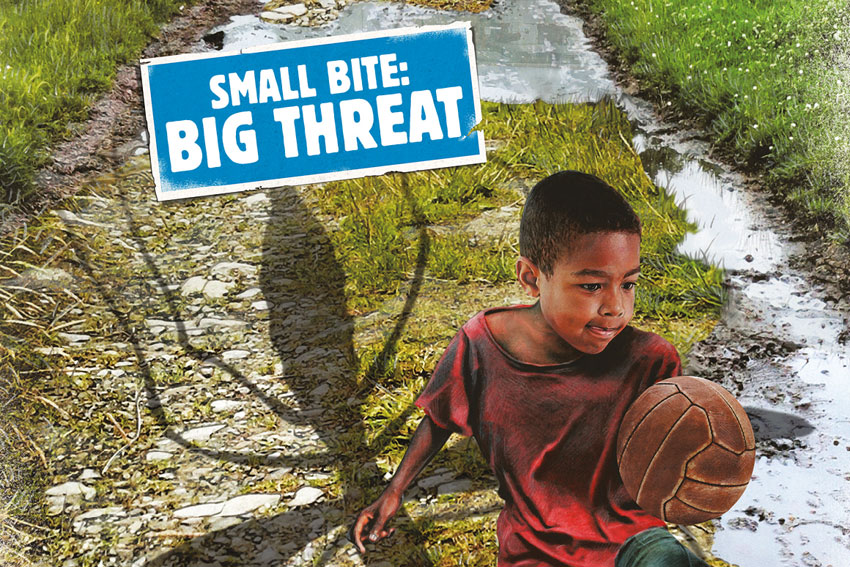 Warning that a “small bite can carry a big threat,” the United Nations is marking World Health Day.
The UN urged the international community to back a global health agenda that gives higher priority to controlling the spread of vector-borne diseases, a step towards ensuring that no one in the 21st century would die from the bite of a mosquito or a tick, the UN News Centre said Monday.
“Every year, more than 1 million people die from diseases carried by mosquitoes, flies and other insects, such as triatomine bugs. These vector-borne diseases – which include malaria, dengue, yellow fever, Japanese encephalitis, Chagas disease and leishmaniasis – cause chronic illness and immense suffering for hundreds of millions more,” says Secretary-General Ban Ki-moon in his message for the Day, which is observed every year on 7 April to mark the founding in 1948 of the UN World Health Organization (WHO).
Mr. Ban says that climate change, altered habitats and increased international trade and travel are exposing more people to the vectors that transmit these diseases. They present a risk in all regions, including countries where the threat had formerly been eradicated, but the most affected are the world’s poorest people, especially those who live in remote rural communities far from health services or in urban shanty towns.