
AKIPRESS.COM - 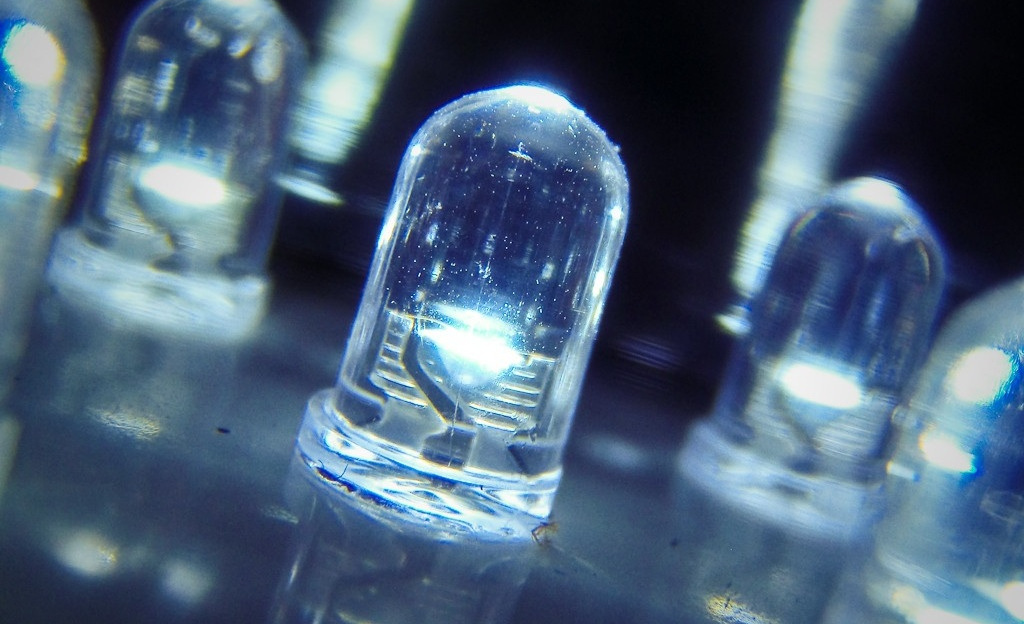 Isamu Akasaki and Hiroshi Amano of Japan and U.S. scientist Shuji Nakamura won the Nobel Prize in physics on Tuesday for the invention of blue light-emitting diodes, a breakthrough that spurred the development of LED technology used to light up computer screens and modern smartphones.
The Royal Swedish Academy of Sciences says their invention is just 20 years old, "but it has already contributed to create white light in an entirely new manner to the benefit of us all," reports AP.
Scientists had struggled for decades to produce the blue diodes that are a crucial component in producing white light from LEDs when the three laureates made their breakthroughs in the early 1990s.
Their work transformed lighting technology, paving the way for LED lights that are more long-lasting and energy-efficient than older sources of light.
"They succeeded where everyone else had failed," the Nobel committee said. "Incandescent light bulbs lit the 20th century; the 21st century will be lit by LED lamps.
Akasaki, 85, is a professor at Meijo University and distinguished professor at Nagoya University. Amano, 54, is also a professor at Nagoya University, while the 60-year-old Nakamura is a Japanese-born professor at the University of California, Santa Barbara.