
AKIPRESS.COM - 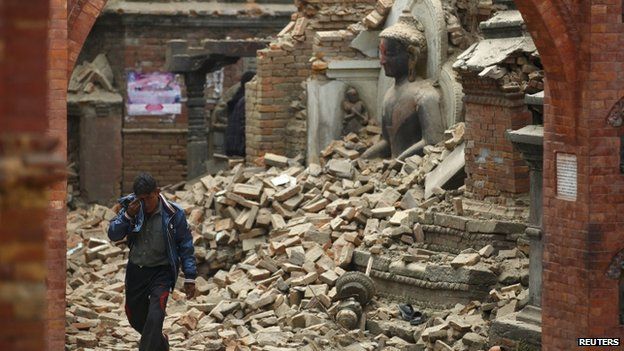 The death toll in Nepal’s earthquake could reach 10,000, Prime Minister Sushil Koirala has said, as survivors’ despair turned to anger at the government’s slow response to the humanitarian crisis unfolding in the country, with food, water and other essentials in desperately short supply.
“The government is doing all it can for rescue and relief on a war footing,” Koirala said in an interview with Reuters. “It is a challenge and a very difficult hour for Nepal.”
The death toll in Nepal alone rose to 4,352 on Tuesday, with more than 8,000 injured, according to police, amid warnings the full extent of the tragedy would not be known until rescue teams had reached “flattened” villages in remote regions.
“The death toll could go up to 10,000 because information from remote villages hit by the earthquake is yet to come in,” Koirala said.
In neighbouring India 61 people were killed and China’s official Xinhua News Agency said 25 people had died in Tibet. Eighteen others were killed in avalanches on Mount Everest.
Health workers said they feared a major health crisis was unfolding among survivors of the quake who are living in the open or in overcrowded tents with no access to sanitation or clean water.
“There are people who are not getting food and shelter. I’ve had reports of villages where 70% of the houses have been destroyed,” said Udav Prashad Timalsina, the top official for the Gorkha region, close to the epicentre of Saturday’s magnitude 7.8 quake.
That grim assessment was supported by World Vision aid worker Matt Darvas, who reached Gorkha on Monday. “It does not seem aid is reaching here very quickly,” he said.
“Further north from here the reports are very disturbing,” he said, adding that up to 75% of the buildings in Singla may have collapsed. There has been no contact with that village since Saturday night.
In the town of Dhulikhel, the main hospital, one of only two serving the Kabre district, with a population of 380,000, was due to run out of diesel fuel for its generator at midnight on Monday.
“We are trying to get more but it’s difficult. We’ve a little bit of solar but not enough to light the operating theatres and the wards,” said Dr Deepak Shrestha.
The death toll in Gorkha remains about 200 and is expected to rise, though not “into the thousands”, said local officials. However vast numbers of homes have been destroyed, leaving tens of thousands at least exposed to chilly late spring Himalayan temperatures and frequent rain.