
AKIPRESS.COM - 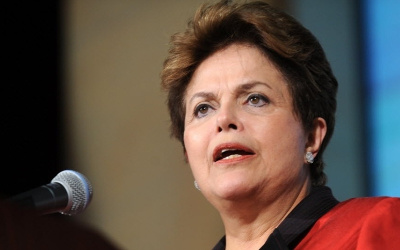 Brazil's Senate forged ahead with impeachment proceedings against President Dilma Rousseff on Monday, rejecting a surprise decision by the acting speaker of the lower house, who tried to annul a key vote just days before the president could be suspended from office, Reuters reports.
The clash between Brazil's two most senior lawmakers threw markets into disarray and threatened to drag out a painful political crisis with a constitutional standoff that could end up at the Supreme Court.
Waldir Maranhao, a little known figure in Brazilian politics before taking over as house speaker only last week, argued that procedural flaws invalidated a lower house vote on April 17 approving the impeachment charges and the chamber would need to vote again.
The speaker's decision spooked investors betting that a more business-friendly government would take power imminently, weakening Brazil's currency over 4 percent in afternoon trading. However, markets quickly pared losses as investors bet the move would delay rather than prevent Rousseff's removal from office, given her weak support in Congress.
The Supreme Court, which has been reluctant to intervene decisively in Brazil's first presidential impeachment process in 24 years, rejected requests on Monday to overturn the annulment.
In a day of chaos and confusion, Senate leadership scrambled to get the process back on track days before the most important vote so far in the drive to oust the leftist president.
Senate President Renan Calheiros said he was pressing ahead with a Wednesday vote on whether to put Rousseff on trial for breaking budgetary laws. A Senate committee recommended on Friday that Rousseff should be tried, which would suspend her from office for up to six months before a final decision that could strip her mandate.
"To accept this playing with democracy would make me personally complicit in delaying this process," Calheiros said, dismissing the surprise announcement from Maranhao. "At the end of the day, it's not for the head of the Senate to say whether this process is fair or not, it's up to the full Senate."